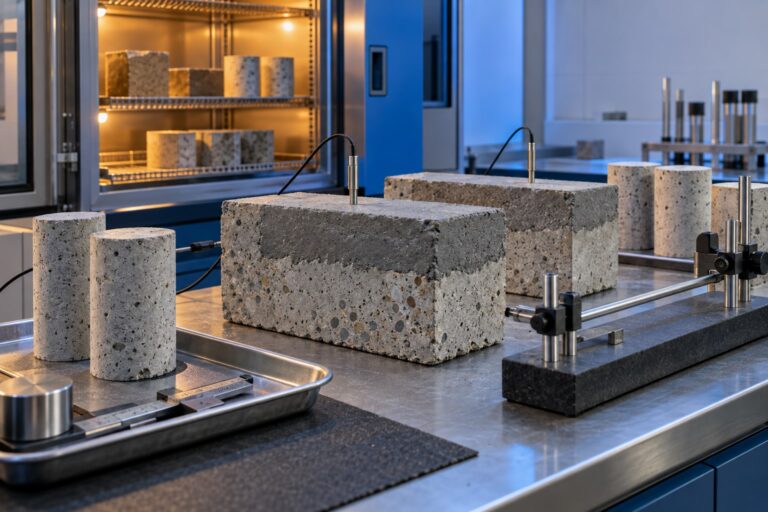
Thermal Compatibility of Concrete Repair Materials: CTE and QA/QC
Evaluate thermal compatibility of concrete repair materials using CTE data, temperature exposure, composite cycling, heat-rise monitoring, and project-specific QA/QC.

Evaluate thermal compatibility of concrete repair materials using CTE data, temperature exposure, composite cycling, heat-rise monitoring, and project-specific QA/QC.

Review concrete repair shrinkage testing with C157 and C1581, compare laboratory reports, check nonshrink claims, and define project-specific QA/QC.
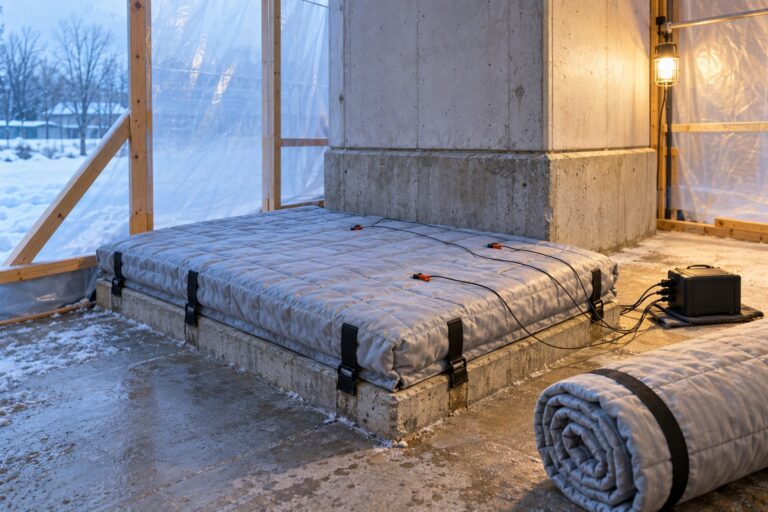
Plan cold-weather concrete repair with substrate checks, temperature records, overnight protection, contingency actions, and separate release decisions.

Plan hot-weather concrete repair with measured environmental controls, temperature limits, smaller batches, substrate conditioning, immediate curing, and traceable QA/QC.

Control packaged concrete repair material mixing through dry storage, measured water, correct equipment, timed batches, field tests, hold points, and traceable QA/QC records.
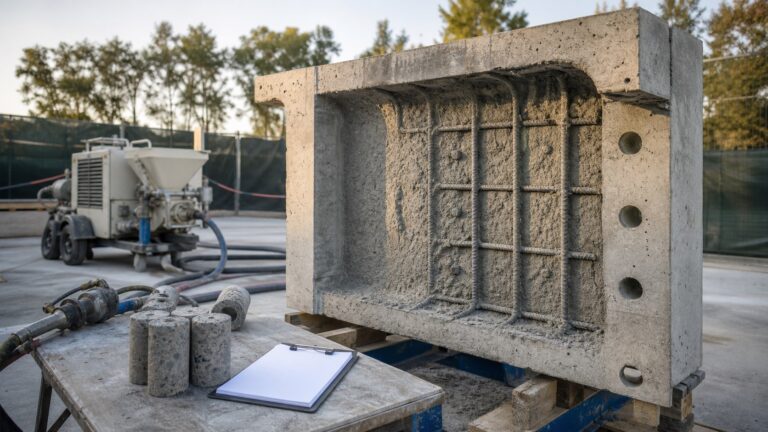
Plan representative shotcrete preconstruction mockups that qualify crew technique, congestion, overhead placement, cores, bond, and acceptance before concrete repair production.

Plan concrete repair test cylinders correctly, from representative sampling and curing to compression testing, release decisions, and low-result investigations.
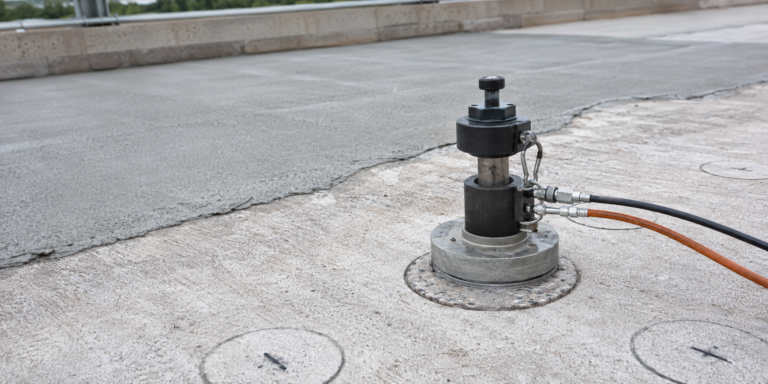
Plan and interpret concrete repair pull-off tests correctly, from representative sampling and field execution to failure modes, acceptance, and corrective action.

Use concrete maturity testing responsibly for repair QA/QC, from mixture calibration and sensor placement to strength-based release decisions and limitations.
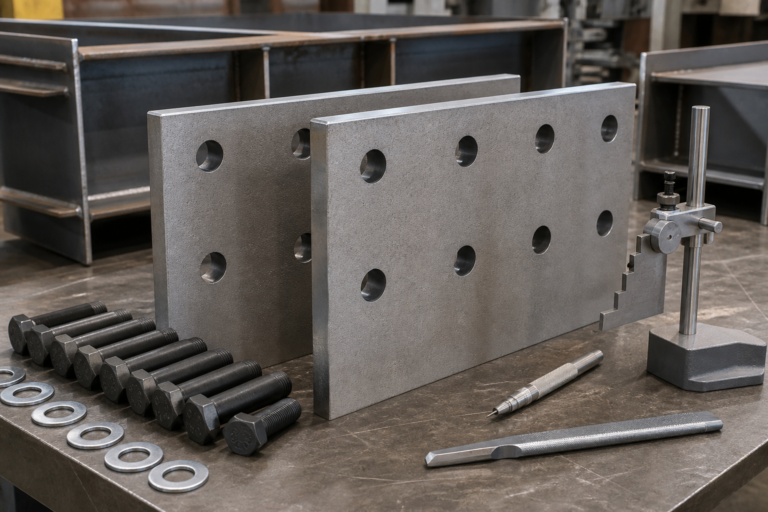
Control slip-critical bolted connection faying surfaces with correct classification, qualified coatings, contamination prevention, hold points, and defensible QA/QC records.