
Steel Repair Weld Preheat and Interpass Temperature: QA/QC
Control steel repair weld preheat and interpass temperature with WPS-based hold points, traceable readings, restart checks, and clear QA/QC records.
Control steel repair weld preheat and interpass temperature with WPS-based hold points, traceable readings, restart checks, and clear QA/QC records.
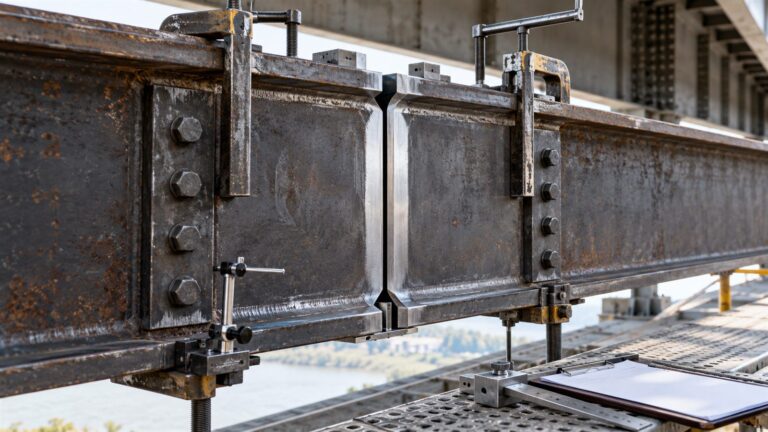
Control structural steel repair weld fit-up with defined hold points, approved repair details, WPS checks, measurement records, and a clear release before welding begins.
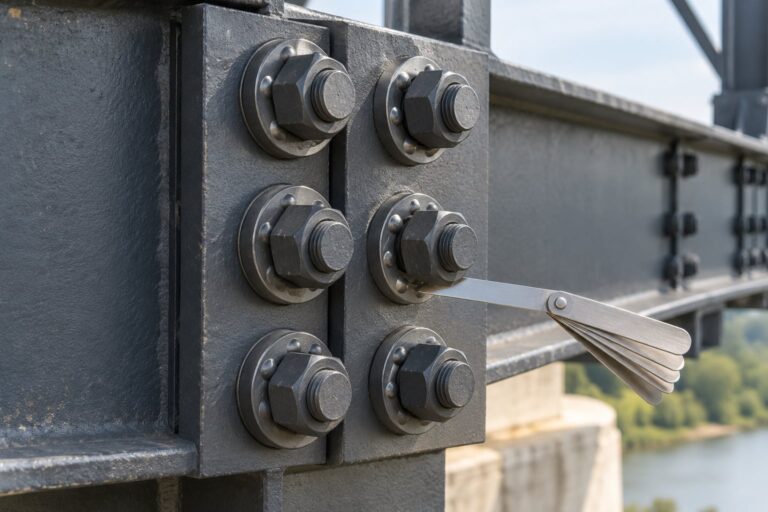
Use direct tension indicators correctly in structural steel repairs: set hold points, verify matched bolt assemblies, inspect installation, and document durable QA/QC evidence.
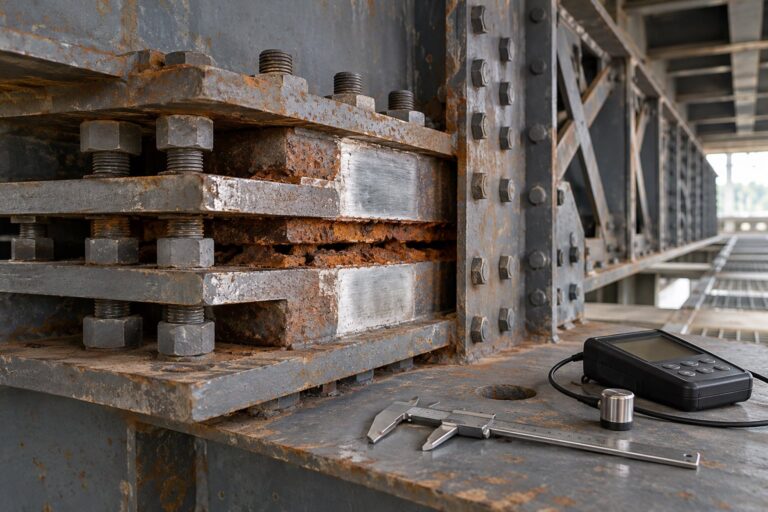
Assess and repair structural steel pack rust with condition mapping, load-path checks, drainage correction, engineered repair decisions, and practical QA/QC hold points.
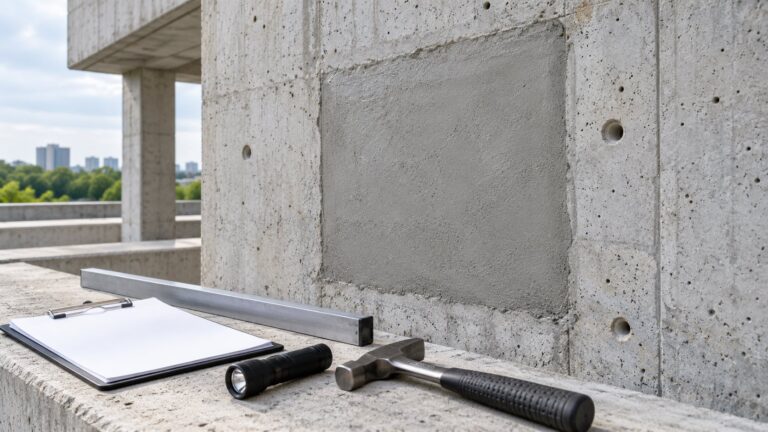
Learn how to plan, perform, map, and escalate post-repair sounding for cured concrete patches as part of a documented acceptance QA/QC workflow.

Plan concrete repair formwork removal with clear release criteria, strength evidence, exposed-face inspection, curing handover, and documented QA/QC hold points.
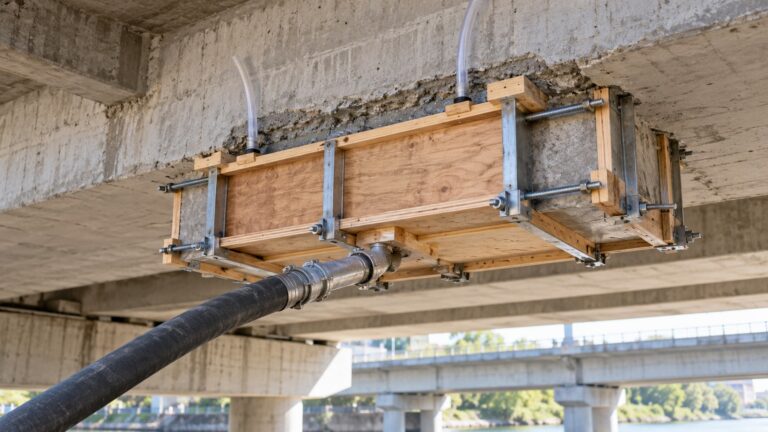
Plan form-and-pump concrete repair with controlled venting, material qualification, formwork, placement sequence, curing, and practical QA/QC hold points.
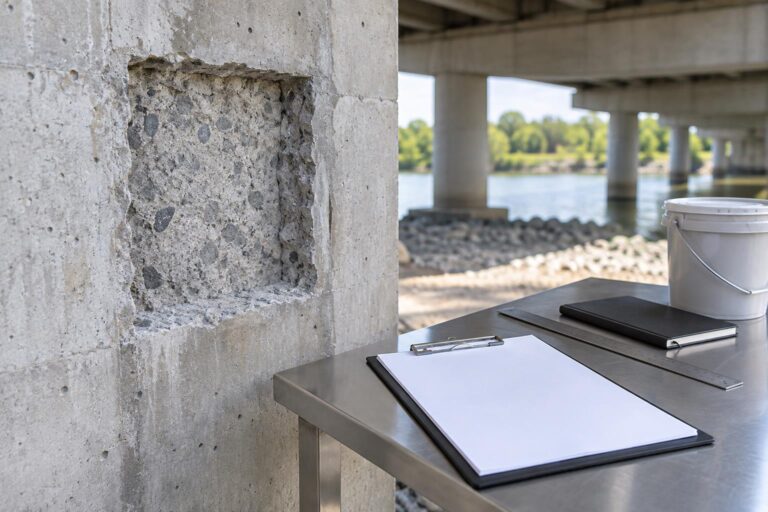
Concrete repair daily logs should connect repair locations, batch records, conditions, hold points, deviations, and open acceptance items. Use this QA/QC workflow to make the record useful.
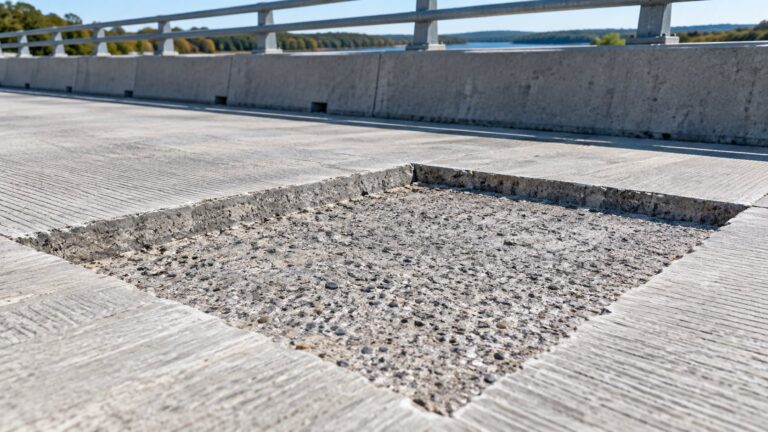
Bridge deck patch depth should follow condition evidence. Learn when partial-depth repair is credible, when full-depth repair is needed, and which QA/QC hold points protect the deck.
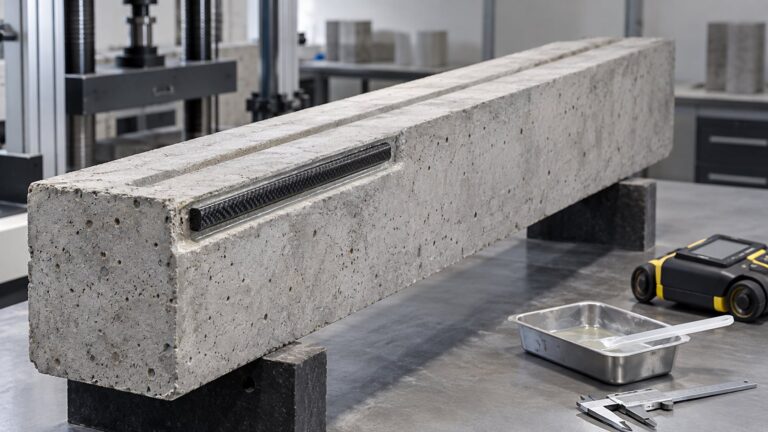
Near-surface-mounted FRP can strengthen existing concrete members when assessment, groove detailing, adhesive control, and QA/QC are engineered and documented.