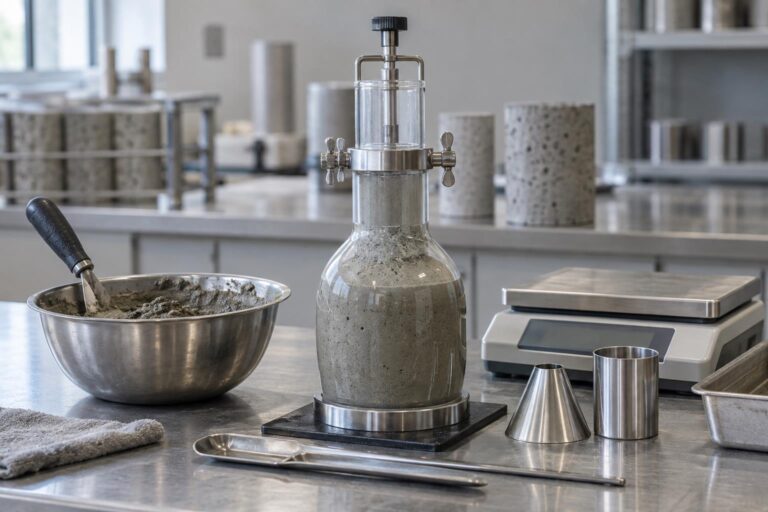
Air Content Testing for Concrete Repair Mortars: QA/QC
Use air-content testing for concrete repair mortars correctly: select a suitable method, make records comparable, set acceptance early and avoid overclaiming durability.
Use air-content testing for concrete repair mortars correctly: select a suitable method, make records comparable, set acceptance early and avoid overclaiming durability.
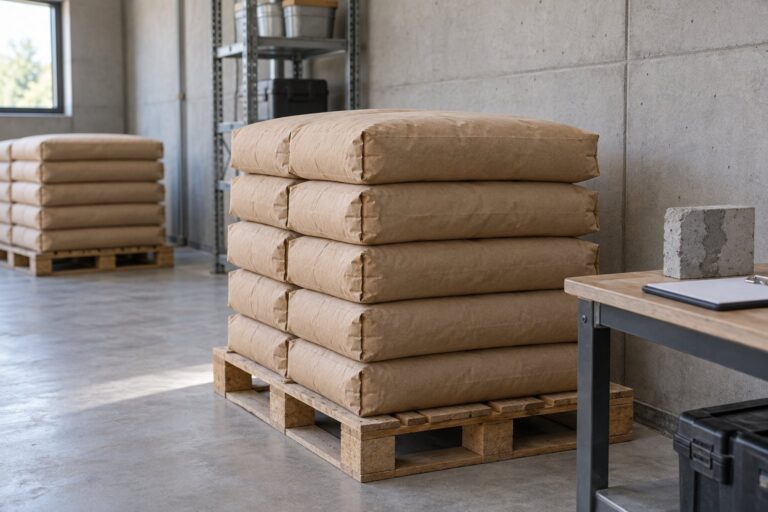
Control concrete repair material storage with shelf-life checks, receiving records, quarantine decisions and traceable release to each repair area.
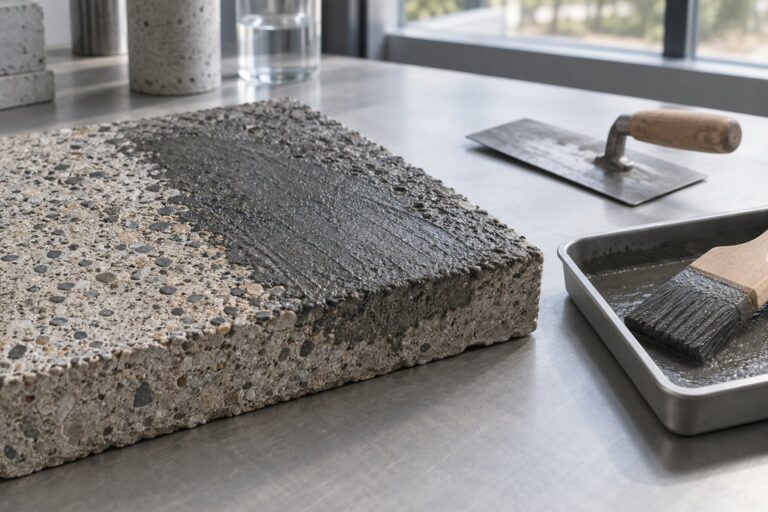
Control concrete repair bonding-agent open time with clear primer selection, placement records, inspection hold points and missed-window decisions.
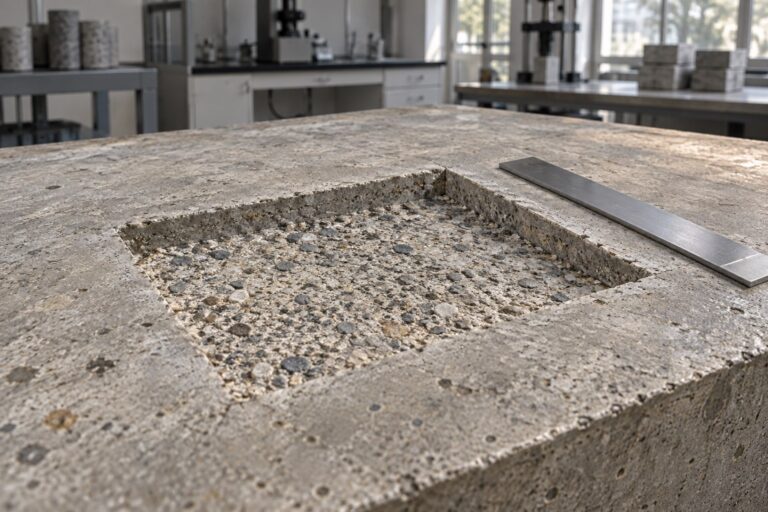
Plan concrete repair saw-cut boundaries with checks for embedded items, corner overcuts, removal damage, revised limits and documented edge acceptance.
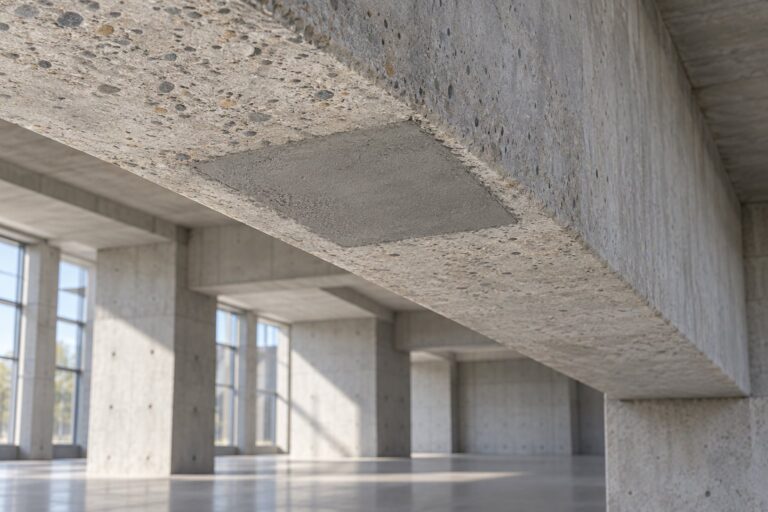
Plan overhead concrete patch repair with product-specific lift limits, sagging stop points, interface inspections, curing records and acceptance checks.
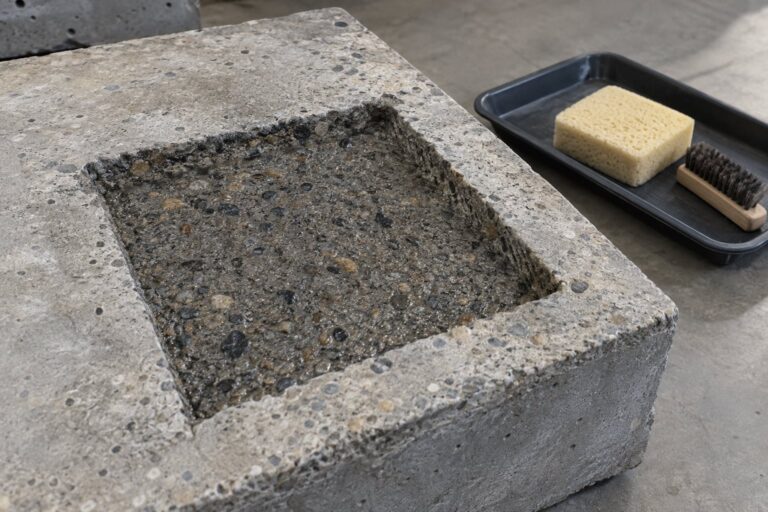
Plan SSD substrate moisture before concrete repair with product-specific prewetting, placement-time checks, water removal, and documented inspection holds.
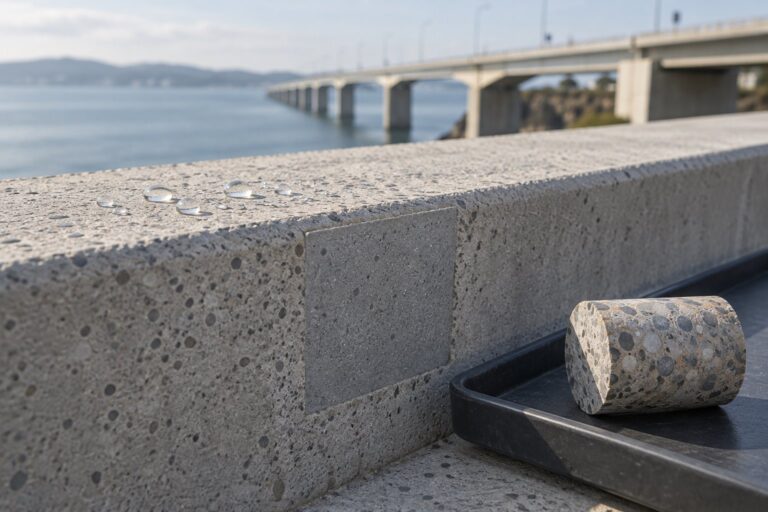
Verify silane treatment after concrete repair with substrate-specific trials, application records, penetration checks, and water-absorption acceptance tests.
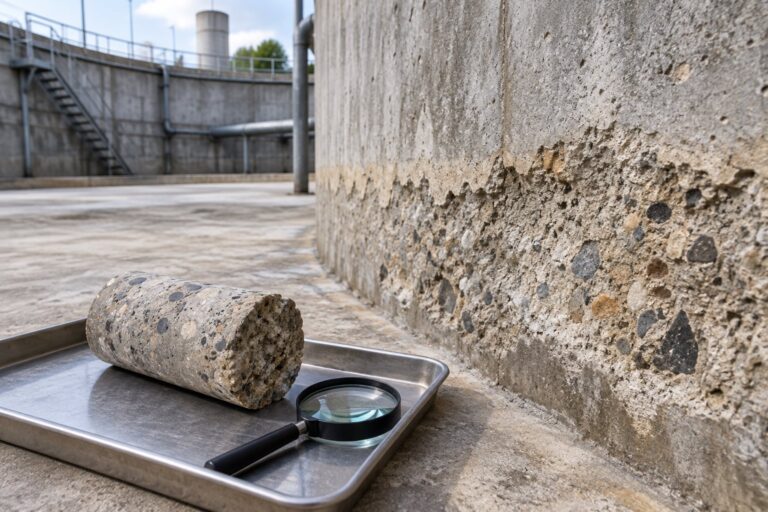
Plan acid-damaged concrete repair with exposure records, damage-depth assessment, chemical-resistance evidence, substrate checks, and QA/QC hold points.
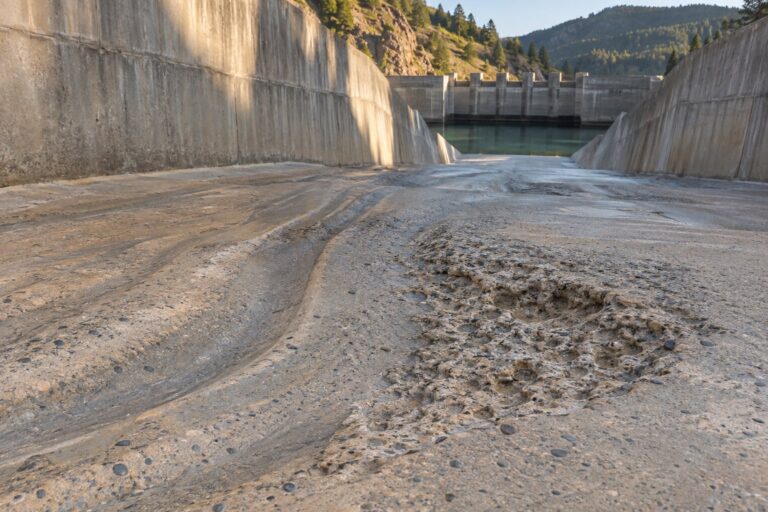
Plan hydraulic concrete repairs by distinguishing abrasion from cavitation, correcting flow conditions, restoring geometry, and verifying QA/QC before service.
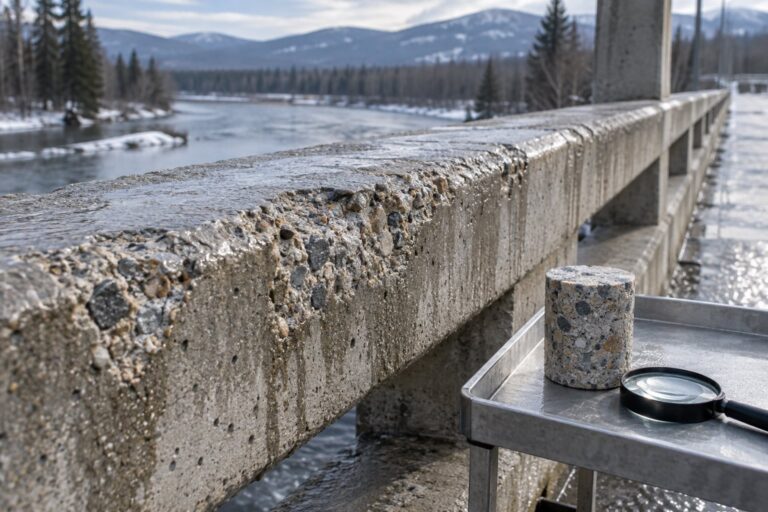
Assess freeze-thaw damaged concrete with depth evidence, air-void analysis, moisture controls, repair-material qualification, and practical QA/QC.