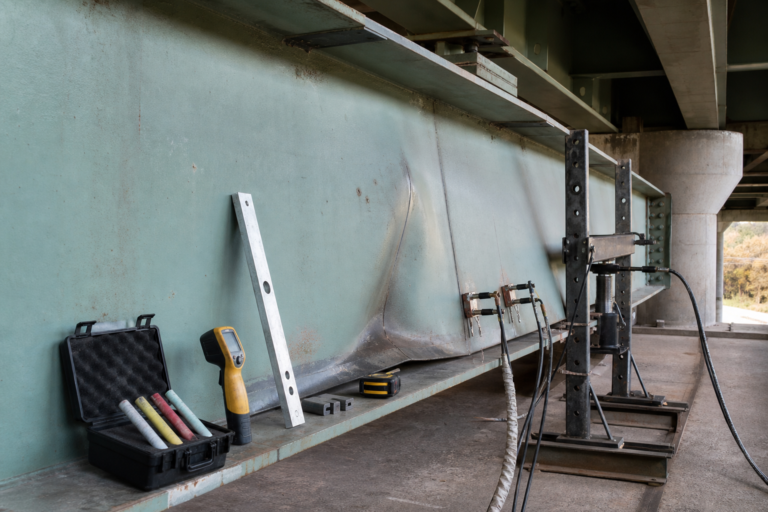
Heat Straightening Steel Bridge Repair: Assessment, Control, and QA/QC
Plan heat straightening for damaged steel bridge members with guidance on assessment, heating patterns, temperature control, restraint, inspection, and QA/QC.
Plan heat straightening for damaged steel bridge members with guidance on assessment, heating patterns, temperature control, restraint, inspection, and QA/QC.
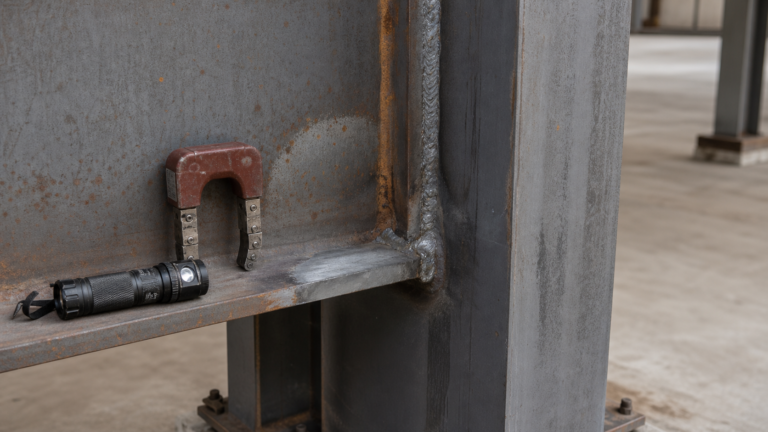
Plan welded steel connection repairs with guidance on crack assessment, load control, material weldability, WPS requirements, NDE, and QA/QC hold points.
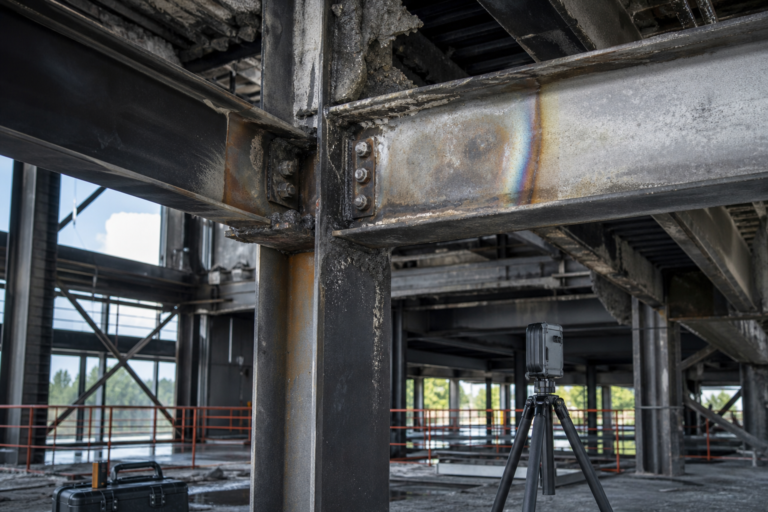
Assess fire-damaged structural steel with guidance on stabilization, damage mapping, testing, analysis, repair decisions, fireproofing, and QA/QC.
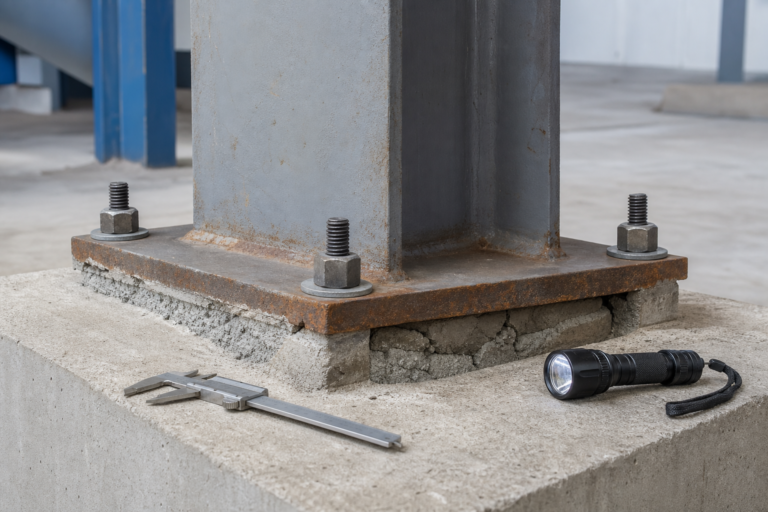
Plan steel column base plate repair with guidance for anchor rods, grout, corrosion, load transfer, temporary support, sequencing, and QA/QC.
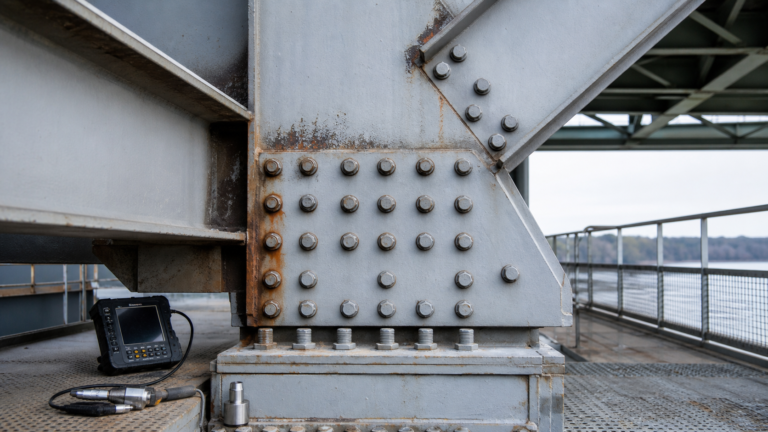
Plan bolted steel connection repair with practical guidance for corrosion mapping, pack rust, fastener replacement, plate repairs, load paths, and QA/QC.
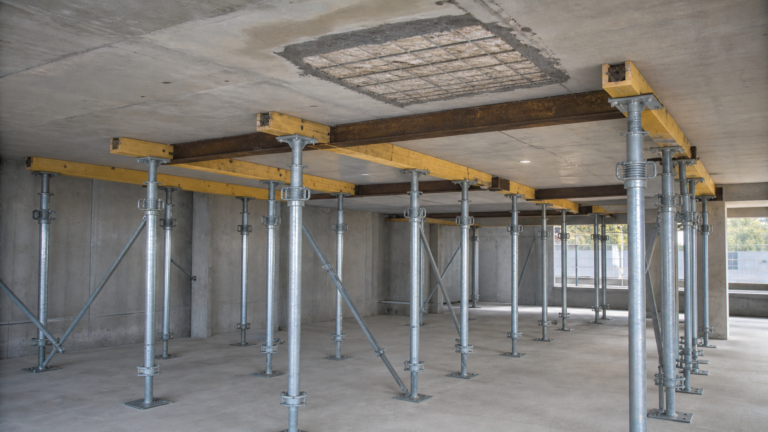
Plan temporary shoring for concrete repair with clear load paths, staged demolition, monitoring, hold points, and evidence-based shore removal.
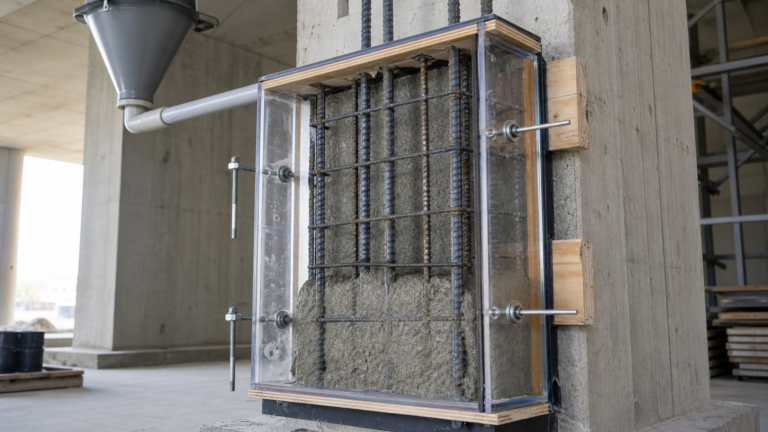
Plan form-and-pour concrete repair with practical controls for cavity geometry, sealed formwork, venting, material placement, consolidation, curing, and QA/QC.
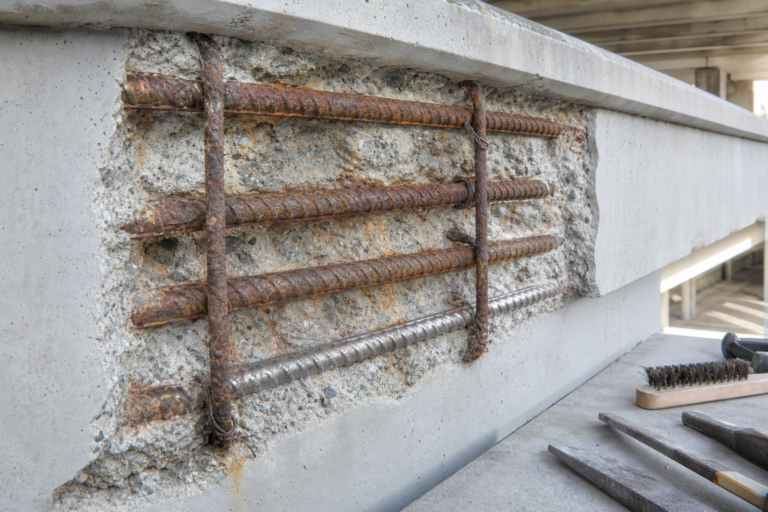
Assess exposed rebar during concrete repair with defensible controls for breakout, cleaning, section-loss measurement, engineering decisions, and QA/QC.
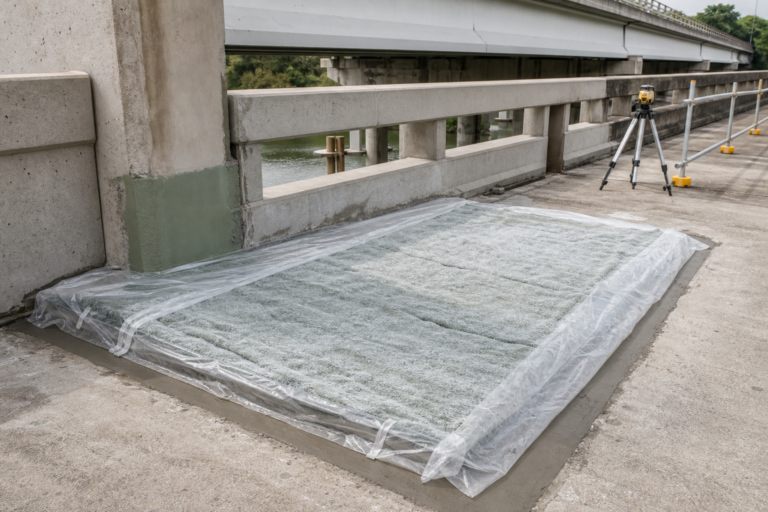
Concrete repair curing and protection controls early moisture, temperature, weather, and loading so a well-designed repair can develop its intended properties.
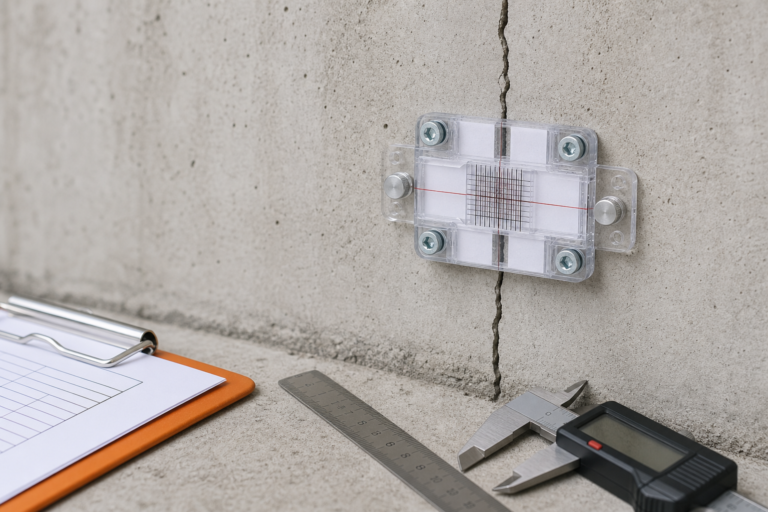
Concrete crack monitoring before repair separates seasonal or load-related movement from progressive distress so the repair method matches the crack’s real behavior.